
Why Your Garage Floor is Suffering After Snowstorms and How to Protect It
- Chase Toth
- Jan 28
- 3 min read

Snowstorms bring more than just cold and inconvenience. They also cause serious damage to your garage floor. When snow melts, the water mixes with road salt and other chemicals, seeping directly into bare concrete. This constant exposure leads to problems like dusty floors, cracks, stains, and even peeling epoxy coatings if they weren’t installed properly.
If your garage floor looks worse every winter, you’re not alone. But the good news is, you can protect it with the right approach. This post explains why garage floors fail after snowstorms and how a properly installed epoxy or polyaspartic floor can keep your garage clean, strong, and easy to maintain.

Damaged garage floor showing cracks and salt stains after snowstorm
Why Snowstorms Damage Garage Floors
When snow piles up outside your garage, it doesn’t just stay there. As it melts, water carries road salt, dirt, and chemicals into your garage. Bare concrete is porous, so it absorbs this moisture and contaminants easily. Over time, this causes several issues:
Dusty floors: Moisture breaks down the concrete surface, releasing fine dust that settles on everything.
Cracking: Water expands when it freezes inside concrete pores, causing cracks to form and grow.
Staining: Salt and chemicals leave stubborn stains that are hard to remove.
Peeling coatings: If your epoxy floor wasn’t installed correctly, trapped moisture can cause it to peel or bubble.
These problems don’t happen overnight. They build up year after year, especially in regions with heavy snow and frequent road salting.
How Bare Concrete Reacts to Snow Melt and Salt
Concrete is strong but not waterproof. It contains tiny pores and micro-cracks that let water in. When snow melts, the water seeps into these pores. Road salt, used to melt ice on streets, accelerates damage by:
Increasing water absorption
Causing chemical reactions that weaken concrete
Promoting freeze-thaw cycles that expand cracks
This combination breaks down the concrete surface, making it rough, dusty, and prone to further damage.
Why Epoxy Floors Fail Without Proper Installation
Epoxy coatings are popular for garage floors because they seal concrete and resist stains. But if the installation isn’t done right, epoxy can fail quickly. Common mistakes include:
Applying epoxy on a damp or dirty surface
Skipping proper surface preparation like grinding or etching
Using low-quality epoxy products
Not allowing enough curing time before use
When moisture remains trapped under the epoxy, it pushes the coating up, causing peeling, bubbling, or flaking. This leaves your floor vulnerable to the same damage as bare concrete.
Benefits of Properly Installed Epoxy or Polyaspartic Floors
A well-installed epoxy or polyaspartic floor creates a strong, waterproof barrier that protects your garage floor from snowstorm damage. Here’s what it does:

Waterproof seal: Prevents moisture from soaking into concrete.
Salt and chemical resistance: Stops stains and chemical damage.
Easy cleaning: Smooth surface makes it simple to wipe away dirt and salt after storms.
Durability: Resists cracking and wear from freeze-thaw cycles.
Improved appearance: Keeps your garage looking clean and fresh year-round.
Polyaspartic coatings cure faster and offer better UV resistance than traditional epoxy, making them a great choice for garages exposed to sunlight.
How to Prepare Your Garage Floor for Winter Protection
If you want to protect your garage floor before the next snowstorm, start with these steps:
Inspect your floor for cracks, stains, or peeling coatings.
Clean thoroughly to remove dirt, oil, and salt residues.
Repair cracks with a concrete patch product.
Choose a professional installer who will prepare the surface properly.
Select a high-quality epoxy or polyaspartic coating designed for garage floors.
Allow proper curing time before exposing the floor to moisture or heavy use.
Taking these steps ensures your floor will withstand winter conditions and stay in good shape for years.
Tips for Maintaining Your Garage Floor During Winter
Even with a sealed floor, winter can be tough on your garage. Keep it in top condition with these tips:
Sweep regularly to remove salt and dirt.
Use mats or rugs at the entrance to catch snow and moisture.
Avoid harsh chemicals that can damage coatings.
Clean spills immediately to prevent stains.
Check for damage after storms and repair small cracks quickly.
Regular maintenance extends the life of your floor and keeps your garage looking great.
When to Consider Recoating or Replacing Your Garage Floor
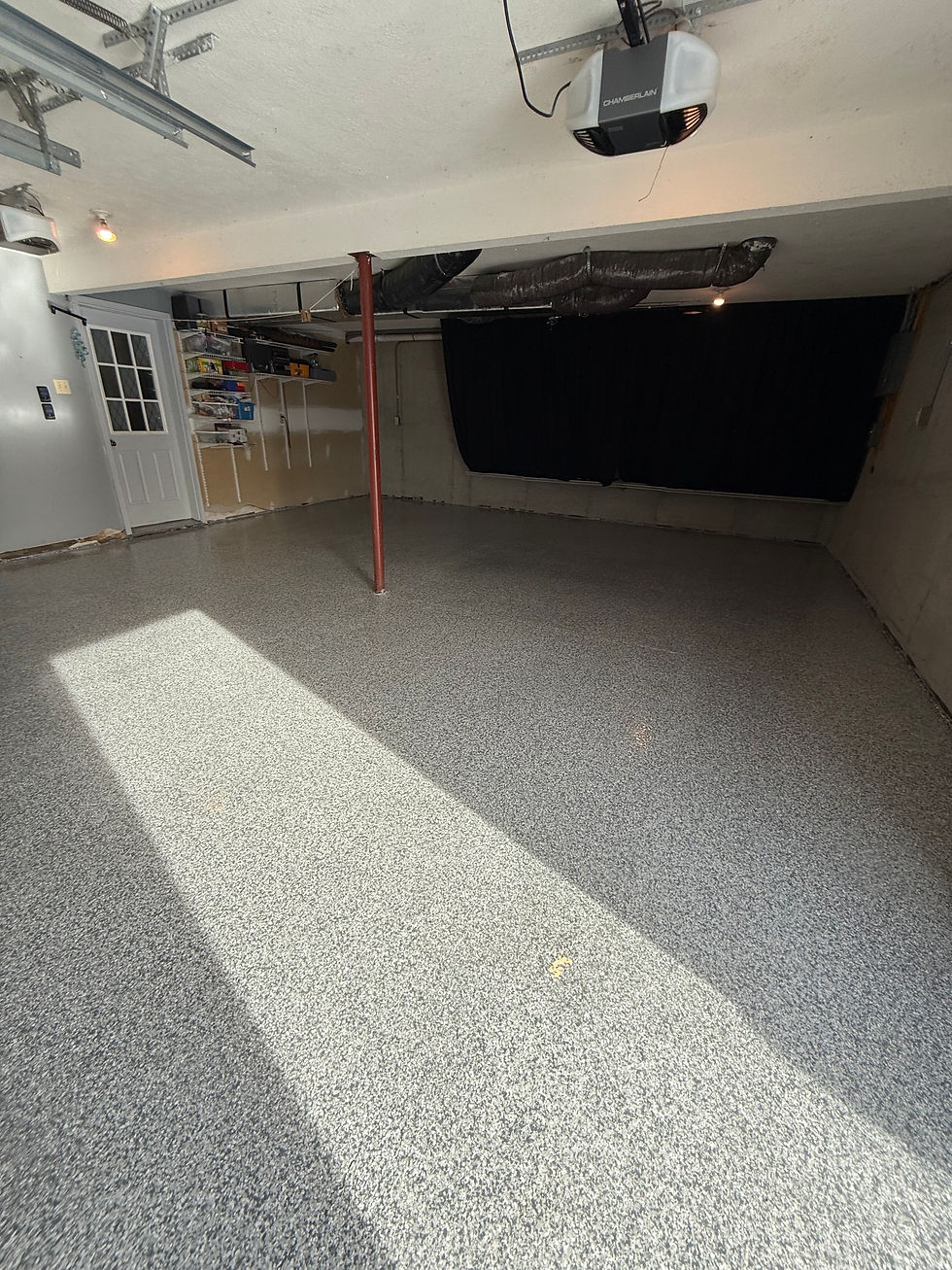
If your garage floor shows signs of serious damage like large cracks, peeling epoxy, or deep stains, it might be time for a recoating or replacement. A professional can assess the condition and recommend:
Spot repairs for minor damage
Full surface grinding and recoating for worn floors
Complete replacement if the concrete is severely damaged
Investing in a high-quality coating now saves money on costly repairs later.


Comments